


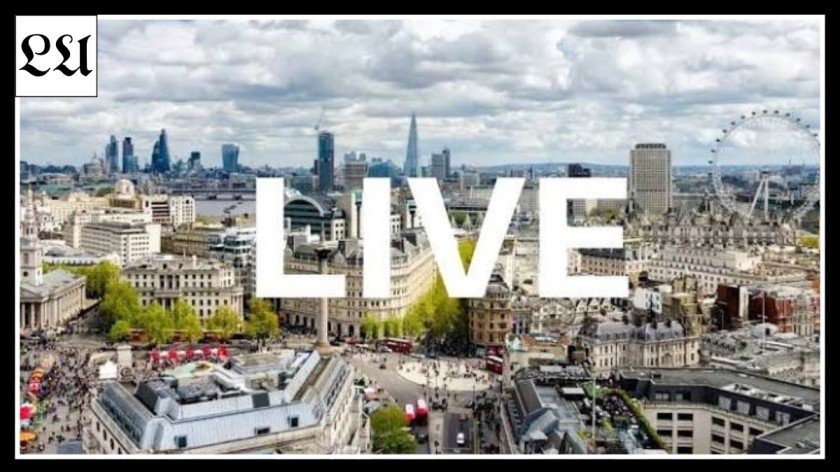
London is one of the most hectic cities around the world where transport-related issues, police matters, adverse weather conditions, and announcements can influence many people instantly. Readers require reliable information in order to figure out what is going on and if an incident will have any impact on their day or not. This guide will help you get familiar with the latest kinds of news from London that include traffic problems of criminal incidents, emergencies, and other local affairs. Here you will also find out how to check your sources and how not to believe fake news from social media.
Latest London News Today and Major City Developments
People searching for the latest London news today usually want fast information about events affecting transport, safety, weather or public services. Some developments influence the whole capital, while others remain limited to one street, station or borough. Readers should identify the exact location before changing their plans. A headline may describe a major London incident today even when only a small area is affected. Road names, boroughs, stations and nearby landmarks provide the context needed to understand the real scale of the situation.
The timing of an update is equally important during a developing event. A station closed in the morning may reopen before the evening rush hour, while a police cordon may become smaller as an investigation continues. People searching for an incident happening in London now should check visible timestamps and look for the newest confirmed report. Old screenshots can continue circulating after the situation has changed. Using current information prevents unnecessary disruption and reduces the spread of inaccurate claims.
A valuable report should explain what happened, where it happened and when it began. It should also identify who may be affected and what action the public should take. Reports that rely only on emotional wording offer limited practical value. Readers benefit more from official safety advice, clear travel details and realistic explanations of the event’s scale. Larger publishers may cover major developments, while local outlets often provide more useful street-level information.
London Transport, Underground and Live Travel Updates
Transport disruption is one of the most common reasons people search for London updates. The capital depends on the Underground, buses, the Elizabeth line, London Overground, trams and National Rail services. A fault on one route can create delays and overcrowding across several connected services. Passengers may move towards alternative stations, bus stops or roads when a line is suspended. This can spread disruption beyond the original location of the problem. A useful report should explain both the direct issue and its possible wider impact.
Transport terms help passengers understand the seriousness of a problem. Minor delays usually mean services remain available, although journeys may take longer than expected. Severe delays suggest passengers should consider another route. A partial suspension means trains are not operating on one section of a line, while a complete suspension affects the whole route. Reports should identify the direction of travel and the stations involved. Without these details, passengers cannot make a properly informed decision.
Commuters should check live travel information shortly before leaving home. Anyone travelling to an airport, hospital, examination or important meeting should save an alternative route. Road users should monitor collisions, demonstrations, construction work and security restrictions. A closure on one main road may create congestion on nearby streets and delay local buses. Visitors should also save their accommodation address and identify another station nearby before beginning a long journey.
Live Police Updates and London Crime Reports
People looking for live police updates in London often want to know whether an incident is still active and whether they should avoid a particular area. Police operations may involve arrests, road closures, searches, missing-person appeals or public safety concerns. However, several police vehicles at one location do not always mean there is an immediate threat. Officers may be investigating a collision, protecting evidence or managing a crowd. Readers should follow official instructions rather than judging the seriousness of an event from photographs or short videos.
Current London crime reports should also use legal terms carefully. An arrest means police suspect that someone may be connected with an offence, but it does not prove guilt. A charge means prosecutors believe there is enough evidence for a case to proceed through the courts. A conviction happens only after a guilty plea or a court decision. Responsible reporting protects the legal process by making these differences clear. Social media users should avoid presenting allegations as established facts.
Searches for live police activity across London can also produce misleading results when old incidents begin circulating again. Readers should compare the date, borough and official police statement before sharing a claim. During an active operation, people should avoid crossing cordons or blocking emergency vehicles. Private addresses, unconfirmed names and graphic images should never be posted for attention. Calm and accurate communication protects victims, witnesses and the wider public.
Weather Warnings, Fires and Emergency Alerts
Weather warnings can affect transport, public health, businesses and emergency services throughout London. Extreme heat may be especially difficult for older residents, young children and people with existing medical conditions. Flats with poor ventilation can remain hot after the outside temperature begins to fall. Residents should drink water regularly and reduce demanding activity during the hottest part of the day. Curtains can be closed on windows receiving direct sunlight. Relatives and neighbours who live alone may also need practical support.
Hot and dry weather can increase the risk of grass and outdoor fires. Disposable barbecues should not be used on dry grass, wooden balconies or close to fences. Cigarettes must be fully extinguished, and glass bottles should not be left in parks. A small flame can spread rapidly when vegetation is dry and the wind is strong. People should move away from a growing fire rather than trying to control it without suitable equipment. Clear location details can help firefighters reach the scene quickly.
Heavy rain, strong wind, snow and ice create different dangers. Floodwater may hide damaged roads, deep holes or open drains, so drivers should avoid entering water when its depth is unknown. Strong wind can affect trees, scaffolding and outdoor events. Snow and ice may delay trains, buses and road traffic even when conditions appear manageable. Readers should check whether an alert applies to their particular area and travel time. The correct response is sensible preparation rather than unnecessary panic.
Local Councils, Housing, Businesses and Community News
London has 32 boroughs as well as the City of London, and every area faces different local issues. Council updates may cover schools, parking, waste collection, road changes and public consultations. These stories may not attract national attention, but they can directly influence everyday life. A small change to a bus lane or parking rule may affect thousands of regular journeys. Residents should follow information published by their local authority. Local reporting often provides practical detail that larger publications overlook.
Housing and development remain major concerns across the capital. New projects can provide homes, create employment and bring customers to local businesses. However, they may also increase pressure on roads, schools, healthcare and public transport. Residents should review planning proposals before final decisions are made. Helpful feedback may address affordability, design quality, traffic, green space and access to essential services. Early participation gives communities a better chance to influence development constructively.
Businesses also depend on accurate and timely information. A station closure may reduce customer numbers, while a major public event can increase demand for hotels, restaurants and taxis. Delivery companies may need to change routes when roads are closed. Construction firms may adjust outdoor work during severe weather. Businesses should verify reports before cancelling appointments or closing their premises. Clear communication with employees and customers helps protect both revenue and public trust.
Benefits, Practical Uses, Pros and Cons of Live London News
Following dependable city updates can save time and support better decisions. A commuter may avoid a suspended line, while a family may change outdoor plans during severe weather. A business can rearrange deliveries before a road closure creates delays. Visitors can confirm whether an attraction, station or event remains accessible. Residents can also monitor changes to housing, transport and council services. The greatest benefit is receiving enough warning to act before a situation becomes more difficult.
Common practical uses include:
- Checking Underground and railway disruption before travelling.
- Finding alternative routes around road closures.
- Responding to weather and public health warnings.
- Confirming whether an event or attraction is open.
- Following police instructions during an active incident.
- Monitoring planning applications and council decisions.
- Warning relatives who may be affected by an emergency.
- Adjusting business staffing, deliveries or opening times.
Live reporting offers speed, but it also has limitations. Early information may be incomplete or corrected after emergency services provide more details. Repeated alerts and dramatic headlines may also increase anxiety unnecessarily. Readers searching for today’s London news from The Sun or the latest London reports from BBC News should compare the central facts and check official sources where possible. Live reporting is worthwhile when it improves safety, travel or daily planning rather than encouraging constant and stressful checking.
Frequently Asked Questions
What is happening in London today?
Current updates may involve transport delays, police activity, severe weather or major public announcements. Always check the latest time and exact location before making decisions.
Where can I find reliable London police updates?
Official police statements and trusted news publishers usually provide the most accurate information. Avoid relying only on social media posts without clear evidence.
What should I do during a major London incident?
Follow official instructions, avoid restricted areas and check whether your journey is affected. Do not cross emergency cordons or share unconfirmed details.
How can I identify fake London news?
Check the publication date, original source, location and supporting evidence. Compare important claims with an official statement or another reliable publisher.
Why do London news reports change so quickly?
Early reports are often published while emergency services are still collecting information. Details about closures, injuries or arrests may be updated later.
Conclusion
In summary, live Breaking News London provides helpful information to allow residents, workers, businesses and tourists to act in response to developments with confidence. Informative news provides details on the event, its location, potential impact on individuals, and what steps need to be taken. One must remember to verify time, place, and other official sources prior to forwarding any information. Events such as transport interruptions, crime, weather conditions and decisions made locally can occur rapidly, but clarity is more important than quick news reporting. Being able to follow a few trusted sources is preferable to being informed from all alerts available.