


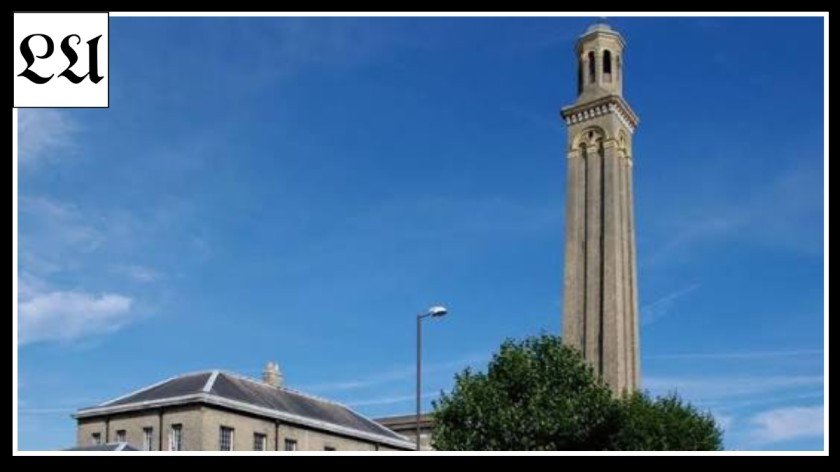
The Water and Steam Museum of London is an excellent place to explore engineering that was used in order to bring fresh water to the developing city. Situated in the old Kew Bridge Waterworks in Brentford, the museum houses giant steam engines, old industrial buildings, as well as interactive displays that are suitable for families. It is possible to learn how Victorian engineering was used to improve public health, housing, and daily lives of Londoners. Also, the museum provides visitors with practical lessons of working with water, amazing architectural details, and even Steam Up days when the selected equipment works again.
History of Kew Bridge Waterworks and London’s Water Supply
Kew Bridge Pumping Station opened in 1838 under the Grand Junction Water Works Company. London’s population was growing quickly, but existing wells and small water systems could not supply enough clean water to new homes, factories, hospitals and businesses. The company therefore developed a powerful pumping station capable of moving treated water over greater distances. Steam engines operated large pumps that helped distribute water across West London, supporting daily activities such as cooking, washing, cleaning, manufacturing and firefighting.
As demand increased, engineers installed larger machines and constructed new buildings around them. These developments reflected changes in nineteenth-century technology, with each engine designed to improve power, efficiency and reliability. The waterworks remained operational until 1944, when newer pumping equipment replaced its steam-driven machinery. Engineers and local heritage supporters later recognised the historical importance of the site and worked to protect it. Their efforts allowed the former pumping station to open as a public museum during the 1970s.
The attraction was originally known as the Kew Bridge Steam Museum, but its identity later expanded beyond machinery alone. Today, it explains the relationship between steam power, clean water, public health and urban growth. Visitors learn that Victorian engines were not simply impressive inventions. They supported an essential service used by millions of people. The preserved buildings also help explain how industrial sites functioned, with strong foundations, high ceilings, metal platforms and workshops designed around the operational needs of the machinery.
Historic Engines, Water Exhibits and the Standpipe Tower
The main museum exhibits include stationary steam pumping engines, water pumps, workshop tools, engineering models, gauges and equipment used by former waterworks employees. Stationary engines differed from railway locomotives because they remained inside one building and transferred their power to pumps. Some machines rise through several floors, allowing visitors to observe their cylinders, pistons, beams, rods and flywheels from different viewpoints. This original setting makes the collection more meaningful because the equipment remains closely connected to the buildings in which it operated.
The Cornish beam engines are among the most significant machines. They produced slow but powerful movements that made them suitable for pumping large amounts of water. The famous 90-inch and 100-inch engines take their names from the diameter of their steam cylinders. Rotative engines provide another form of mechanical movement, converting the back-and-forth action of a piston into circular motion through cranks and flywheels. Visitors can understand these machines by following the movement from the cylinder through each connecting component.
The tall Victorian standpipe tower is another important feature. Although it resembles an ornamental Italian bell tower, it originally contained vertical water pipes that helped manage pressure in the distribution system. Rising to approximately 200 feet, it remains a recognisable Brentford landmark and a popular subject for exterior photography. The tower is not normally available for a standard public climb because access depends on conservation and safety arrangements. Even when visitors cannot enter it, the structure provides a striking example of Victorian designers combining practical engineering with decorative architecture.
Museum Tickets, Admission Prices and Opening Times
Visitors should decide whether they want a normal admission day or a special Steam Up event before purchasing museum tickets. Standard entry usually provides access to the permanent galleries, engine halls and available family areas, but it does not guarantee that the historic machinery will operate. Steam Up events are scheduled on selected dates and often use separate admission arrangements because engineers must prepare, test and supervise the machines. Train rides, workshops and holiday activities may also operate according to individual programmes.
Standard admission prices are generally lower than those charged by many commercial London attractions. Adult entry is usually around £12, while students pay approximately £10 and children aged five to sixteen pay about £4. Children under five normally enter free. Family tickets can provide better value, especially for one or two adults visiting with children. The final ticket price may vary for working-engine weekends, temporary programmes or special activities, so visitors should confirm the amount and inclusions during booking.
The usual term-time opening schedule runs from Thursday to Sunday between 10:00 and 16:00. Additional opening days may be introduced during school holidays, summer periods and special events. A standard visit normally takes two to three hours, although families may stay longer when the interactive gallery and outdoor activities are available. Steam demonstrations can extend the visit because different engines may operate at scheduled times. Arriving early gives visitors enough time to understand the historical displays before exploring the larger machinery and family areas.
Visitor Reviews, Family Activities and Photography
Visitor reviews can vary because experiences depend heavily on the date and event programme. Someone attending a Steam Up weekend may describe moving engines, mechanical demonstrations, train rides and a lively atmosphere. A visitor attending an ordinary opening day may find a quieter environment with static machinery. Reviews are most useful when they identify the type of event, the ages of accompanying children and the reviewer’s interests. Engineering enthusiasts may focus on mechanical details, while families are more likely to discuss interactive activities and visitor facilities.
The Waterworks Gallery introduces pressure, pumping, force and water movement through practical activities. Children can operate simple equipment and then look for similar principles in the larger engines. The outdoor Splash Zone includes pumps, channels and water wheels that allow children to experiment through play. Parents should bring spare clothing, suitable footwear and a towel because young visitors can become wet. Selected dates may also include miniature railway rides, family trails, crafts and science demonstrations, making the attraction a useful school-holiday destination.
People searching for London Museum of Water & Steam photos will find many impressive subjects. Popular options include the standpipe tower, large flywheels, beam engines, iron staircases, brick arches and tall engine-house windows. Close-up images can capture pressure gauges, valves, polished rods and mechanical joints, while wide photographs reveal the true scale of the machinery. Some interior areas receive limited light, so visitors should keep phone cameras steady. Photography must not block public walkways or interfere with staff, demonstrations or moving equipment.
Parking, Public Transport and Accessibility
The site is located on Green Dragon Lane in Brentford, close to Kew Bridge railway station. Trains operate from London Waterloo through Clapham Junction, providing a practical route from central London. Underground passengers can travel to Gunnersbury on the District line and continue by bus. South Ealing on the Piccadilly line is another useful option, followed by a local bus towards Kew Bridge. Several bus routes connect Brentford with Ealing, Hammersmith, Hounslow, Richmond and Kingston.
On-site parking is limited and should not be treated as guaranteed. The car park may close during private bookings, maintenance work or Brentford Football Club home matches. Match days can also increase traffic and demand for spaces throughout the surrounding area. Drivers should check both the museum’s parking information and the football schedule before travelling. Accessible parking may be reserved in advance when the car park is open, but public transport is generally the more reliable choice for most visitors.
A step-free route is available through most public areas, although some upper engine platforms and historic walkways can only be reached by stairs. Outdoor routes may include slopes, gravel and uneven surfaces that affect wheelchairs, walking aids and pushchairs. An accessible toilet is located near the café and shop, while baby-changing facilities and seating are available in several areas. Assistance dogs are welcome. Visitors with specific access needs should contact the museum before travelling to discuss routes, parking arrangements and temporary restrictions.
Benefits, Pros and Cons of Visiting
One of the main benefits is the opportunity to connect engineering with everyday life. Visitors can see how pressure, heat, force and movement helped deliver an essential public service. Children can explore scientific ideas through practical experiments, while adults can study Victorian architecture, industrial design and social history. The site also encourages discussion about modern water conservation by showing the machinery, energy and skilled labour required to collect, pump and distribute clean water.
Key advantages include:
- Authentic Victorian waterworks buildings
- Rare stationary steam pumping engines
- Interactive activities for children
- Strong educational value for schools
- Outdoor water play in suitable weather
- Special events featuring moving machinery
- Family ticket options
- Interesting industrial photography
- A quieter atmosphere than central museums
- Clear links between engineering and public health
The main disadvantages include its location outside central London, restricted car parking and the fact that engines do not operate every day. Restoration work may limit access to important spaces, while outdoor activities depend on the weather. Some historic platforms are not step-free, and the specialist subject may not appeal to visitors mainly interested in art, fashion or royal attractions. However, families appreciate the balance between learning and play, engineers value the rare machinery, and repeat visitors enjoy discovering a quieter side of London.
Is the Museum Worth Visiting?
The attraction is worth visiting for families, engineering enthusiasts, school groups and anyone interested in the infrastructure that helped modern London develop. A Steam Up event provides the most dramatic experience because the sound, movement and vibration of the machinery make its operation easier to understand. Standard opening days remain rewarding for quieter exploration, photography and family activities. Visitors should choose their date according to whether they prefer live demonstrations or a calmer visit.
It may not be an essential stop for a first-time tourist with only one day in the capital. Major central landmarks may be more convenient in that situation. However, it is a strong choice for people staying in West London, returning visitors and families looking for an educational half-day activity. Its proximity to Kew, Richmond and the Thames also makes it easy to include in a wider West London itinerary without planning an overcrowded schedule.
Overall, the preserved engine houses, Victorian pumping machines and landmark tower create an authentic industrial atmosphere. The interactive gallery and Splash Zone add practical value for children, while the historical displays explain how clean water transformed London. Limited parking, conservation work and static engines on normal days require advance planning. Visitors who check the current programme and purchase the correct ticket are likely to find the experience educational, distinctive and worthwhile.
Frequently Asked Questions
What is the London Museum of Water & Steam?
It is an industrial heritage attraction inside the former Kew Bridge Waterworks in Brentford.
Visitors can explore historic pumping engines and learn how clean water reached London.
What is the coolest museum in London?
The best choice depends on your interests and the type of experience you enjoy.
This attraction is ideal for steam engineering, industrial history and practical family learning.
Is the Twist Museum worth visiting?
Yes, it may be worthwhile for optical illusions, sensory displays and creative photographs.
It focuses more on interactive entertainment than traditional history, science or art collections.
Is there parking at the museum?
Yes, limited on-site parking is available, although a space cannot always be guaranteed.
The car park may close during Brentford football matches, private events or maintenance work.
How long should visitors spend at the museum?
Most visitors should allow around two to three hours to explore the galleries and engines.
Families attending Steam Up events or special activities may want to allow half a day.
Conclusion
On balance, this historically significant waterworks provides a fascinating combination of engineering, social history, and family fun. There are opportunities to see magnificent steam engines, learn about the impact of good water on London, and even participate in activities that children will enjoy. The Steam Up days are the most exciting times to visit, whereas the other days are ideal for photography and contemplation. With parking limited and restoration work underway on non-steam days, some planning may be needed. Even with these constraints, however, the genuine architecture, tower, and exhibits at this location are definitely worth considering as an attraction.