


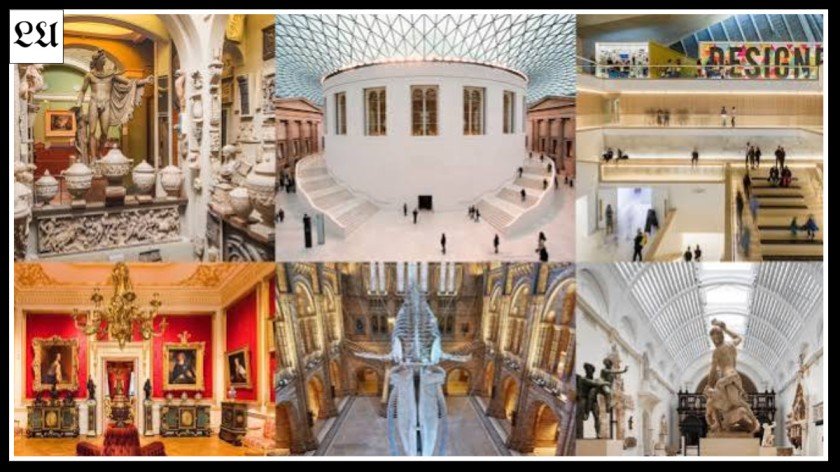
London is the kind of city where you can stumble across something fascinating around almost every corner. Its museums make that experience even better, bringing together everything from ancient history and famous artworks to dinosaurs, design and surprising little collections. With more than 190 museums across the capital, visitors have plenty of choice for different interests, ages and budgets. The best museums in London can include famous landmarks as well as quieter places that feel like discoveries. Whether you are visiting with children, meeting friends or enjoying a day by yourself, London’s museums offer an easy way to learn, explore and find something memorable.
Why London Is Famous for Its Museums
London has an unusually broad museum landscape, with collections covering thousands of years of history and almost every major area of human creativity. Visitors can explore ancient Egyptian objects, Victorian engineering, modern design, natural science, fashion, transport and contemporary art during the same holiday. Visit London currently lists more than 190 museums across the capital, showing just how extensive the city’s cultural choices are. This variety means visitors do not have to follow one standard sightseeing route. They can build a museum itinerary around their own interests, age group and available time.
Another important advantage is that many museums suit different generations at the same time. Adults can explore detailed historical collections while children look for dinosaurs, vehicles, scientific experiments or interactive displays. Young V&A, for example, has been designed specifically around children and teenagers, with permanent spaces called Imagine, Play and Design. Its hands-on approach gives younger visitors opportunities to create, explore and participate rather than simply look at objects behind glass. This makes the museum experience more flexible for families travelling with children.
The location of London’s museums also makes them useful for sightseeing. South Kensington brings the Natural History Museum, Science Museum and V&A close together, allowing visitors to create a convenient cultural day without lengthy journeys. Other useful areas include Bloomsbury, Trafalgar Square, Greenwich, Bethnal Green and the South Bank. Museums can also provide reliable indoor activities when London’s weather changes unexpectedly. For visitors on a short trip, choosing museums close to other attractions can save valuable travel time and create a more relaxed itinerary.
Top 10 Museums for History, Science, Art and Culture
The British Museum is a natural choice for travellers interested in world history and archaeology. Its collection spans more than two million years and includes objects associated with ancient Egypt, Greece, Rome, Asia, Africa and many other cultures. The Rosetta Stone, Egyptian mummies and Parthenon sculptures are among its most recognised highlights. Because the collection is so extensive, visitors should choose a few priority galleries rather than trying to see everything. A focused visit can provide a much more enjoyable experience than rushing through the entire building.
The Natural History Museum provides a different type of experience, focusing on dinosaurs, fossils, minerals, mammals and the history of our planet. Its huge blue whale skeleton in Hintze Hall creates an immediate impression, while dinosaur galleries remain particularly popular with families. The museum currently recommends allowing several hours for a thorough visit, although families with very young children may prefer a shorter session. Its permanent collections are free, although some temporary exhibitions and events can require payment. Booking a timed ticket can also be useful during busy periods.
The Science Museum, V&A, Tate Modern, National Gallery, London Transport Museum, National Maritime Museum, Imperial War Museum and Horniman Museum and Gardens provide additional choices for different interests. The Science Museum suits technology and science enthusiasts, while the V&A is particularly strong for design, fashion and decorative arts. Tate Modern focuses on modern and contemporary art, whereas the National Gallery offers major European paintings in central London. Families may prefer London Transport Museum, while history enthusiasts can explore Greenwich or the Imperial War Museum. Together, these institutions create a broad cultural network rather than one single museum experience.
Best Museums for Adults and Art Lovers
Adults can choose museums according to very specific interests, which makes London’s cultural scene particularly rewarding for independent travellers. History enthusiasts can spend hours exploring the British Museum, while design lovers may prefer the V&A. Visitors interested in traditional European painting can choose the National Gallery, while people who enjoy modern and contemporary art may prefer Tate Modern. Smaller specialist museums can also offer a more focused experience than the city’s largest institutions. The right choice therefore depends more on personal interests than on museum size or fame.
The V&A is especially appealing to adults who want to explore creativity beyond conventional paintings. Its collections cover fashion, furniture, ceramics, jewellery, textiles, sculpture and architecture across thousands of years. Visit London’s current guide describes its permanent galleries as free and recommends allowing around two to three hours for a visit. Its position in South Kensington also makes it convenient to combine with the Natural History Museum and Science Museum. This makes the area particularly useful for adults who want to build a full cultural day.
Tate Modern and the National Gallery offer two very different artistic experiences. Tate Modern provides an energetic contemporary setting beside the Thames, while the National Gallery offers historical European painting in the heart of central London. Couples and adult friends can also consider specialist institutions such as the Design Museum or Postal Museum when they want something more focused. Smaller museums may feel easier to navigate because visitors can explore their main themes without spending hours crossing enormous galleries. This can be particularly useful for travellers with limited time.
Best Museums for Toddlers and Kids
Choosing a museum for toddlers requires a different approach from choosing one for adults. Young children generally respond better to sensory activities, colourful objects, play spaces, large displays and opportunities to move around. Young V&A is particularly relevant because its Play Gallery is designed for younger children and includes interactive areas, sensory zones, dress-up opportunities and creative activities. Visit London’s 2026 family guide recommends it among its options for toddlers and notes that a typical visit can take around one to two hours.
The Natural History Museum is another strong family option because dinosaurs and enormous specimens provide immediate visual interest. Children can see fossils, minerals, animals and other objects while adults learn about natural science and Earth’s history. The museum’s collection contains more than 80 million objects, creating plenty of opportunities for discovery across different galleries. The Science Museum is another family favourite, particularly for children who enjoy technology, experiments, space and machines. These museums allow learning to feel more like exploration than a formal classroom activity.
London Transport Museum and the National Maritime Museum can also work well for families because their subjects connect easily with children’s everyday curiosity. Buses, trains, ships and transport technology give young visitors familiar objects to recognise while introducing them to London’s history. Parents should avoid planning too many museums in one day because toddlers can become tired quickly. A one-to-two-hour museum visit followed by lunch, a playground or outdoor activity can be more successful than a packed schedule. Building flexibility into the day also gives children time to explore at their own pace.
Best Free Museums and Budget-Friendly Options
London is especially useful for budget-conscious travellers because many major museums provide free access to their permanent collections. The British Museum, Natural History Museum, Science Museum and V&A are among the most prominent examples. Visit London’s current guide highlights numerous free museums and notes that the city has more than 190 museums overall. This makes it possible to create a substantial cultural itinerary without paying admission for every attraction. Visitors can then reserve their budget for transport, food, special exhibitions or other experiences.
The Natural History Museum is particularly useful for families because its permanent collection is free and its galleries can occupy several hours. The Science Museum offers another free option for families interested in science and technology, while the British Museum provides an enormous historical collection. Young V&A is also free to visit and is designed specifically for younger visitors, although temporary exhibitions and special events can involve separate charges. These options make it easier for parents to plan educational days out without paying a standard admission fee for every person.
V&A East Museum also provides a newer free cultural option in east London, while V&A East Storehouse offers another free museum experience in the Queen Elizabeth Olympic Park area. These newer venues demonstrate that London’s museum landscape continues to expand beyond the traditional central institutions. Visitors should still check current opening arrangements and any charges for special exhibitions before travelling. Free entry applies mainly to permanent collections rather than every experience within a museum. Planning ahead can therefore help families avoid unexpected costs while keeping the day affordable.
How to Choose and Plan Your Museum Visit
The easiest way to choose a museum is to begin with the purpose of your visit. Travellers interested in ancient history can prioritise the British Museum, while families interested in dinosaurs may prefer the Natural History Museum. Children who enjoy experiments and technology may find the Science Museum more engaging, while adults interested in fashion and design could spend more time at the V&A. The phrase “best museums in London for toddlers” reflects a very different need from an adult cultural itinerary. Matching the museum to the visitor is therefore more useful than simply choosing the most famous institution.
Advance planning can also improve the experience. Large museums contain far more objects than most visitors can reasonably see in one visit, so choosing several priority galleries before arrival can prevent decision fatigue. Check opening times, free-ticket arrangements and special exhibition requirements before travelling. Visit London’s current family guidance also recommends considering the age of children when choosing museums, with different institutions better suited to toddlers, school-age children and teenagers.
A simple planning guide is:
- Toddlers: Young V&A, Natural History Museum or London Museum Docklands.
- School-age children: Science Museum, Natural History Museum or London Transport Museum.
- Teenagers: Science Museum, Tate Modern or specialist museums.
- Adults: British Museum, V&A, National Gallery or Tate Modern.
- Art lovers: National Gallery, V&A, Tate Modern or Tate Britain.
- History enthusiasts: British Museum, Imperial War Museum or National Maritime Museum.
- Budget travellers: British Museum, Natural History Museum, Science Museum or V&A.
The biggest mistake is attempting to cover too many museums in one day. Large institutions can easily take several hours, and families need additional time for meals, toilets, rest and transport. One major museum followed by a park or nearby attraction can create a more enjoyable day than three rushed museum visits. Adults with strong museum interests may prefer two nearby institutions, while families with toddlers may be happier with one museum and plenty of outdoor time. The goal should be a comfortable experience rather than simply increasing the number of places visited.
(FAQs)
What are some hidden gem museums in London?
The Postal Museum, Horniman Museum, Sir John Soane’s Museum and Museum of Brands offer unusual collections and experiences.
What are the top six places to visit in London?
The British Museum, Natural History Museum, Tower of London, Westminster Abbey, National Gallery and St Paul’s Cathedral are popular choices.
What are some hidden gems to visit in London?
Explore St Dunstan in the East, Leighton House, Postman’s Park, Dennis Severs’ House and other lesser-known London attractions.
What are the top 10 exhibitions to see in London?
London hosts changing exhibitions across major museums and galleries, including the V&A, Tate Modern, National Gallery and British Museum.
Are hidden gem museums in London good for families?
Yes. Places such as the Postal Museum and Horniman offer family-friendly experiences, interactive activities and unusual collections.
Conclusion
Exploring London’s museums can turn an ordinary day into something genuinely memorable. You can spend hours admiring famous artworks, discovering ancient objects, learning about science or simply finding a quiet museum that feels completely different from the usual tourist route. The city has more than 190 museums, with many offering free permanent collections, so there are options for almost every budget and interest. Families can enjoy interactive displays, while adults may prefer art, history or specialist collections. Whether this is your first London trip or you live nearby, exploring beyond the famous names can reveal some wonderful surprises.