


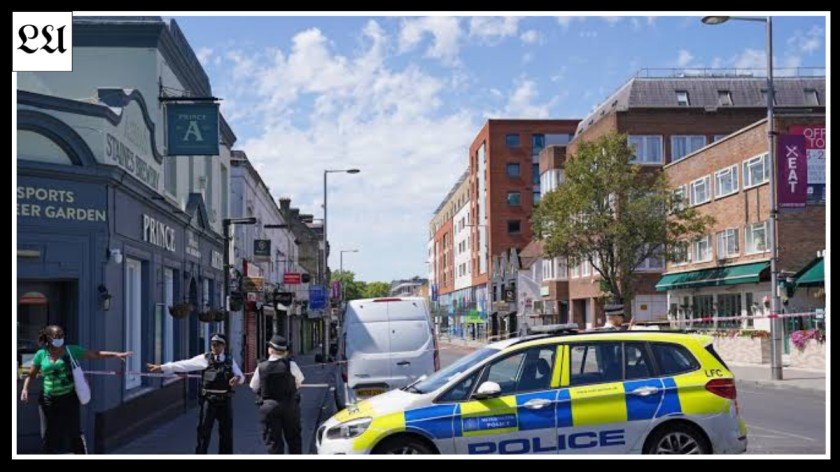
The news from West London provides residents, commuters, business owners, and tourists with essential information regarding what is taking place within this most bustling part of the city. Everything from traffic disruptions and incidents involving the police to developments in property building, councils decisions, schools, and community events can have an impact on a person’s daily routine. Good information ensures that you can get to where you need to be without any hassle, allows you to be aware of what public consultations are going on, enables you to take advantage of opportunities, and helps you to react to unexpected events.
What Local Coverage Includes and Why It Matters
Local coverage includes transport disruption, Heathrow Airport developments, housing, planning applications, council decisions, schools, hospitals, business activity, crime reports, sport and community events. Some stories involve one road, one station or one public building, while others concern projects that may affect several boroughs. The strongest articles do more than repeat an announcement. They explain when a change begins, how long it may continue and what residents should consider doing next. This practical approach makes regional reporting more valuable than a headline that creates attention without giving readers enough information to act.
National publications cannot report every council meeting, school consultation, bus diversion or redevelopment proposal. A London-wide transport story may confirm disruption, but it may not identify the exact station entrance that is closed or the alternative route that works best for local passengers. Regional journalism fills this gap by connecting wider decisions with real neighbourhoods. It can show how a new development may affect parking, school capacity, medical services, traffic and nearby traders. This level of detail is especially useful to residents who need answers rather than general commentary.
Community reporting also supports accountability. Councils, developers, transport operators and public organisations make choices that affect local land, services and public spending. When these decisions receive proper attention, officials are more likely to explain the evidence behind them and respond to concerns. Residents can then attend meetings, submit planning comments and challenge unclear proposals before they become final. Local coverage also gives space to schools, charities, sports clubs, faith groups and independent businesses whose work may otherwise remain unnoticed outside their immediate communities.
Breaking Updates, Live Reports and Police Incidents
People searching for local updates today usually want immediate information about transport problems, emergency activity, road closures and major public incidents. A useful breaking report should clearly state where the event is happening, when it began and whether people need to avoid a road, station, park or shopping area. Publication time matters because a developing situation can change within minutes. A report published early in the morning may no longer reflect conditions later in the day. This is why live local coverage should be updated carefully rather than left online with an outdated headline.
A police incident in western London may involve emergency vehicles, a temporary cordon, a search operation or an investigation after a reported offence. The presence of several police cars does not automatically mean there is an ongoing danger to the public. Responsible coverage should separate confirmed facts from assumptions and make clear whether officers have issued safety advice. It should also explain whether roads remain closed, whether witnesses are being requested and whether the incident is affecting nearby schools, businesses or transport. Unverified social media posts should never be treated as confirmed live information.
Reports about serious violence, including a stabbing incident, require particularly careful language. Early details may be incomplete, and victims, relatives or witnesses may be vulnerable. A trustworthy article should avoid graphic descriptions, protect personal information and report only what has been confirmed. It should also distinguish between an arrest, a charge and a conviction, as these are different stages of the legal process. Follow-up reporting matters because readers need to know whether an investigation continues, whether a suspect has been charged and whether additional community safety measures have been introduced.
Transport, Heathrow Airport and Daily Travel
Transport is one of the most important subjects for people living and working across the western part of the capital. The area depends on the Elizabeth line, Underground services, national rail, buses and major roads. Even a short delay can cause someone to miss work, school, a medical appointment or an international flight. A reliable travel report should state which section of a route is affected, when the disruption began and how long it may continue. It should also explain whether the problem is planned engineering work or an unexpected fault, because the likely duration and available alternatives may be very different.
The Elizabeth line has improved cross-London journeys for passengers using Ealing Broadway, West Ealing, Southall, Hayes and Harlington and Heathrow. It reduces the number of changes needed on some routes and provides easier access to major employment centres and railway terminals. However, its long route means that a problem in one area may create delays elsewhere. A signalling issue, damaged train or emergency incident can affect stations far from the original location. Good reporting should therefore describe the full affected section and avoid suggesting that every station is closed when some services are still running.
The Piccadilly line remains essential for commuters and airport passengers travelling through Hammersmith, Acton, Hounslow, Uxbridge and Heathrow. Planned closures are easier to manage when people receive enough warning, but poor information may lead to missed flights and expensive last-minute travel. Reports should mention replacement buses, alternative rail services and the extra time passengers may need. Buses also deserve attention because many neighbourhoods are not close to a station. Roadworks, demonstrations and collisions can divert routes, move stops and create serious difficulty for older residents, students, shift workers and people with mobility needs.
Housing, Planning, Regeneration and Council Decisions
Housing remains one of the most closely followed subjects across the western boroughs. The region includes high-value neighbourhoods, suburban family homes, social housing, converted properties and modern apartment developments. Prices and rents can change sharply between nearby streets because of transport links, school catchments, green spaces, parking and building conditions. A home close to a fast railway connection may attract stronger demand than a similar property farther away. Readers should therefore be cautious when one average figure is used to describe an entire borough containing many different property types and neighbourhoods.
Property reports should clearly separate asking prices from completed sales. An asking price represents what an owner hopes to receive, while a completed sale shows what a buyer actually agreed to pay. Rental coverage also requires context. The cost of one room in a shared house should not be compared directly with the rent for a complete flat or Tenants may also need to pay deposits, energy bills, service charges, council tax and travel costs. An article that ignores these expenses may make a home appear more affordable than it really is.
New housing developments can provide homes, shops, workplaces and public spaces, but they may also create years of construction noise, heavier traffic and additional pressure on schools, GP surgeries and transport. Useful reporting should explain the number of homes, proposed building heights, likely timetable and amount of affordable housing. It should also state whether the project is at an early design stage, has been submitted for planning approval or has already received permission. Computer-generated images should not be treated as proof of the final design, as planning conditions, funding and negotiations may still change what is eventually built.
Crime, Health, Education and Essential Services
Crime coverage should inform people without creating unnecessary fear. One serious incident does not automatically prove that an entire neighbourhood has become unsafe. At the same time, repeated theft, violence or antisocial behaviour in one location should not be ignored. Useful reporting provides confirmed facts, explains the police response and includes practical safety guidance where appropriate. Sensational headlines may attract attention, but they can damage the reputation of an area without helping residents understand the real level of risk. Careful follow-up is also essential when an arrest, charge or court decision changes the story.
Antisocial behaviour may include persistent noise, vandalism, harassment, street drinking or disorder in public places. These problems may not always appear in major crime statistics, but they can still reduce quality of life. Residents may avoid parks, shopping areas or transport stops because they no longer feel comfortable. Responsible reporting should examine patterns and explain whether police, councils, housing providers or youth services are involved. It should avoid treating every group of young people gathering in public as a threat without evidence. Long-term solutions may require better lighting, youth activities, environmental improvements and enforcement rather than one short-term response.
Health updates can directly affect people who depend on GP surgeries, hospitals, pharmacies, mental health support and community care. Reports should explain whether a change affects one clinic, one borough or a wider health organisation. A temporary closure caused by building work should not be presented as the permanent loss of a service. Waiting-time figures also need context because they may relate to emergency care, planned operations, specialist treatment or GP appointments. News articles should explain access, policy and service changes accurately without replacing advice from qualified medical professionals.
Business, Employment, Culture and Community Life
Business reporting helps people understand changes taking place on high streets, industrial estates and commercial centres. A new supermarket, restaurant, hotel or office may create jobs and increase customer numbers for nearby traders. A closure may remove an important service or leave a large building empty. Useful coverage explains why a business is opening or closing, how many jobs may be involved and what may happen to the site. It should not simply copy promotional statements. Independent businesses are especially important because restaurants, bakeries, clothing shops, market stalls and repair services often give neighbourhoods their individual character.
Employment announcements need careful interpretation. A major development may promise thousands of jobs, but those positions could be spread across several years and include temporary construction work. This is different from one employer recruiting permanent staff immediately. Reports should explain whether roles are temporary, part-time, full-time or expected at a later stage. They should also identify required qualifications, application dates and related training schemes. Growth around Heathrow, transport corridors and regeneration areas may create opportunities in logistics, hospitality, security, construction and professional services, but it may also raise commercial rents and increase competition.
Community events help build neighbourhood identity and social connection. Local calendars may include festivals, exhibitions, markets, charity activities, library programmes and family events connected with many cultures and traditions. Strong coverage should explain the event respectfully and include practical information such as the date, location, ticket cost, booking requirements and accessibility. Arts and entertainment reporting may cover theatres, cinemas, music venues, galleries and local performers. Accurate event information can support smaller venues and help residents find affordable activities close to home.
Benefits, Pros and Cons, Real-Life Uses and Is It Worth Following?
Following regional updates can save time, reduce uncertainty and help people prepare for change. A commuter may learn about weekend engineering work before arriving at a closed station. A parent may see a school admission reminder and apply before the deadline. A tenant may discover a large development planned near their home and comment on noise, traffic or loss of light. A business owner may prepare for roadworks that could reduce customer access, while a jobseeker may find a training programme linked to aviation, healthcare or construction.
The main advantages include early warnings, local context and access to opportunities. Readers may learn about transport disruption, planning consultations, council decisions, jobs, courses, health services and community events that national media does not cover in detail. There are disadvantages as well. Smaller publications may have limited staff and may rely heavily on press releases, advertising or dramatic headlines. Community social media pages can spread updates quickly, but the information may be incomplete, old or incorrect. The best approach is to compare local reporting with official information when a story involves safety, transport, crime or legal decisions.
Useful local coverage is worth following, but readers do not need to check every story throughout the day. A focused routine is more effective. Commuters can review travel conditions before important journeys, residents can check council and planning updates once or twice a week, and parents can follow school announcements during admission periods. Notifications should be reserved for urgent subjects so that important alerts are not lost among minor updates. The quality of a source matters more than how often it publishes. One carefully researched report is usually more valuable than several copied articles with little explanation.
Key benefits include:
- Early warnings about travel disruption and road closures
- Details about planning applications and housing developments
- Clear explanations of council decisions and service changes
- Information about jobs, apprenticeships and training
- Updates involving schools, healthcare and public safety
- Details about festivals, markets and community activities
- Practical guidance during emergencies and severe weather
- Also Read. London Underground Strike Update Tube Strike Dates Closures Travel Changes and Commuter Guide
Frequently Asked Questions
What areas are included in western London coverage?
It commonly covers Ealing, Hounslow, Hillingdon, Harrow, Brent and Hammersmith and Fulham. Some reports also include Richmond, Barnet and Kensington and Chelsea.
Where can I find reliable local breaking updates?
Use trusted regional publishers for detailed reports and official channels for urgent confirmation. Always check the publication date and time before sharing information.
How can I check a local police incident?
Look for confirmed updates from the police and established local publications. Avoid relying on rumours or unverified social media posts.
What topics do local news sources cover?
They report on transport, housing, planning, crime, schools, healthcare and council services. Coverage may also include business openings, jobs and community events.
How can I receive live local updates?
Follow reliable publishers and enable alerts for transport, emergencies and council announcements. Keep notifications limited so important updates are easier to notice.
Conclusion
Accurate local reports will enable the locals to be aware of the things happening around them in west London News. The issues which range from the transport system disruptions, police occurrences to council services, businesses, residential development, among others require people to be informed. The best reports are those that tell people what is going on, who is involved, and what needs to be done. Readers should get reports from reputable sources, know when they are published, and verify any information that seems urgent through official channels. They will be able to know about things without feeling bombarded with too much information.