


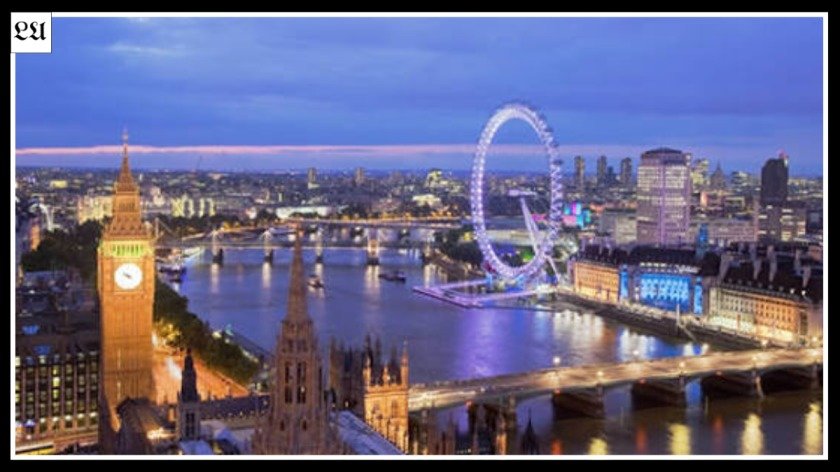
Central London is the part of the capital where you can experience a little bit of everything in one trip. One moment you might be standing near Buckingham Palace or Big Ben, and the next you could be enjoying coffee in Covent Garden, browsing shops in Soho or walking beside the Thames. The area is packed with history, culture, food, shopping and entertainment, but it can also feel overwhelming if you do not know where to start. Understanding the main neighbourhoods and transport options makes planning much easier. Whether you have one day or several, a simple, well-planned route can help you see more while enjoying the city at your own pace.
What Is Central London and Which Areas Are Included?
Main Areas to Know
The central part of London does not have one fixed boundary. Different maps and organisations may include slightly different neighbourhoods. For visitors, the most useful areas include Westminster, the West End, Covent Garden, Soho, Mayfair, St James’s, South Bank and the City of London. Each district has its own character and attractions.
Westminster is a good choice for history and royal sights. The West End is known for theatres and entertainment, while Covent Garden offers shops, restaurants and street performances. Soho has a lively food and nightlife scene. Mayfair is known for luxury shops and smart streets. South Bank offers river views, cultural attractions and relaxed walks.
Choosing the Right Area
Your interests should guide where you spend your time. History lovers can focus on Westminster and the City. Theatre fans can spend more time around the West End. Visitors who enjoy food can explore Soho, Chinatown and Covent Garden. Shoppers may prefer Oxford Street, Regent Street and Mayfair.
Grouping nearby attractions makes a big difference. Instead of travelling from one side of the city to another, choose several places in the same area. This approach gives you more time to explore and less time standing on trains or buses.
Central London Map and Areas List
Why a Map Helps
A Central London map can make sightseeing much easier. London may look small on a tourist map, but roads, large stations, busy pavements and river crossings can add time to a journey. A map helps you see which attractions sit close together and where the nearest Underground stations are located.
Before your trip, mark the attractions you most want to see. Then look for nearby places that you can visit on the same day. This simple method can help you create shorter routes and avoid unnecessary travel. It works particularly well for visitors who only have one or two days in the capital.
Main Areas for Visitors
The most useful areas can be grouped according to the type of experience they offer:
- Westminster: Buckingham Palace, Westminster Abbey, Big Ben and Parliament.
- Trafalgar Square: National Gallery, Whitehall and nearby West End streets.
- Covent Garden: Shops, restaurants, markets and entertainment.
- Soho: Restaurants, Chinatown, nightlife and independent shops.
- Mayfair: Luxury shopping, galleries and historic streets.
- South Bank: River walks, cultural venues and city views.
- City of London: Historic buildings, churches and modern skyscrapers.
This simple area guide can make route planning much easier. Instead of trying to see every attraction in one day, choose one or two connected areas and explore them properly. You can also check the nearest Underground stations before leaving your hotel. Remember that a short distance on a map does not always mean a quick journey. Crowds, crossings and busy stations can add extra time, so leave some space between activities. A flexible plan will help you enjoy the day without constantly watching the clock.
Places to Visit in the Centre
Famous Landmarks
There are many places in Central London worth visiting, but first-time visitors often start with the major landmarks. Buckingham Palace attracts visitors interested in the monarchy, while Westminster Abbey offers a look at centuries of British history. Big Ben and the Houses of Parliament provide one of the city’s most famous views.
Trafalgar Square is another useful stop. From here, you can reach the National Gallery, Whitehall, Covent Garden and the West End. St Paul’s Cathedral and the Tower of London offer another side of London’s history and work well as part of a separate sightseeing route.
Museums and Galleries
Museums can add depth to a city break. The British Museum is a strong choice for world history and ancient cultures. The National Gallery is ideal for people who enjoy European art. Other museums cover science, natural history, design and transport.
Many museums offer free general entry, which can help visitors manage their budget. Some temporary exhibitions need separate tickets, so check the arrangements before travelling. Do not try to visit too many museums in one day. Choosing one or two allows you to explore them properly.
Parks and Riverside Walks
Parks give visitors a chance to slow down after a busy morning. St James’s Park provides an easy walking route near Buckingham Palace and Westminster. Green Park offers another quiet space close to major attractions, while Hyde Park gives visitors more room to walk and relax.
South Bank is another excellent choice. The riverside route provides city views and access to cultural attractions. These open spaces work particularly well for families because they provide places to rest between visits.
Things to Do in the Centre
Sightseeing and Walking
There are many Central London things to do, so start by choosing activities that match your interests. History fans can visit Westminster Abbey and the Tower of London. Art lovers can explore galleries, while theatre fans can book a West End show.
Walking can also become one of the highlights of your trip. A route from Buckingham Palace through St James’s Park towards Westminster allows you to see several famous sights without using public transport. You can then continue towards the Thames and South Bank.
Food, Shopping and Entertainment
Food is another important part of the experience. Soho, Chinatown and Covent Garden offer many restaurants and cafés. You can enjoy lunch before continuing your sightseeing or choose a restaurant before an evening theatre show.
Shopping fans have plenty of choice. Oxford Street and Regent Street offer major brands, while Mayfair has a more luxury-focused feel. Covent Garden combines shopping with restaurants, entertainment and attractive public spaces.
Build a Realistic Day
Avoid putting too many attractions into one day. A better plan might include two major attractions, one museum or park and a relaxed meal. Leave some free time between activities because queues and transport delays can happen.
Comfortable shoes also matter. Visitors often walk much more than they expect. Taking short breaks during the day can help you stay energetic and enjoy the evening rather than feeling exhausted.
Today: Time, Travel and Practical Information
What to Check Before You Leave
People searching for Central London today may want to know about opening times, transport, weather, events and things to do. These details can change, so check the latest information before leaving your hotel.
A quick check can help you avoid arriving at a closed attraction or missing a timed booking. It also allows you to change your plans if bad weather or transport problems affect your original route.
Important Daily Planning
The phrase Central London time can also matter for international visitors. London uses Greenwich Mean Time during winter and British Summer Time during summer. This matters when you arrange flights, trains, restaurant bookings and timed attractions.
Daylight hours also change during the year. Summer gives you longer evenings for outdoor activities, while winter becomes dark earlier. Plan outdoor sightseeing around daylight and save indoor attractions for later when possible.
Stay Flexible
A good day does not need to follow your plan perfectly. If a station becomes busy or an attraction has a long queue, consider changing your route. You may find that a nearby museum, café or park provides a better option.
Keeping some free time in your schedule makes the day less stressful. You can also discover smaller streets, shops and cafés that were not part of your original plan.
Distance, Train and Transport Guide
Understanding Distances
Central London distance can be difficult to judge from a map. Two attractions may look close but take longer to reach because of traffic, crowds, crossings and large stations.
For short journeys, walking can often prove easier than taking the Underground. A ten or fifteen-minute walk may save you the trouble of finding a platform and waiting for a train. Walking also lets you see more of the city.
Main Train Stations
The Central London train network connects the capital with towns and cities across the UK. Major stations include Victoria, Waterloo, Charing Cross, London Bridge, Euston, King’s Cross and Paddington.
Victoria works well for Westminster and Buckingham Palace. Waterloo provides easy access to South Bank. Charing Cross sits close to Trafalgar Square and the West End. King’s Cross and Euston serve major routes from northern destinations, while Paddington provides important services from the west.
Choosing Public Transport
The Underground remains one of the fastest ways to travel longer distances. Buses can be useful when you want to see the city above ground. Walking works well for shorter routes.
Contactless payment makes public transport simple for many visitors, while Oyster remains another option. If you have a train departure or timed attraction, leave extra time because busy stations can take longer to navigate.
Is It Worth Visiting? Pros, Cons and FAQs
Main Benefits and Drawbacks
For most visitors, the centre of London offers excellent value in terms of choice. You can combine history, culture, shopping, food and entertainment without travelling far between every activity.
However, popular areas can become crowded, especially during weekends and school holidays. Hotels and restaurants can also cost more than those in outer neighbourhoods. A busy day may involve a lot of walking.
The main advantages and disadvantages are easy to compare. Major landmarks are close to practical sightseeing routes, Westminster and the City offer rich history, and the West End provides theatre and entertainment. Parks, public spaces and many museums can help visitors save money. Transport is also convenient because Underground, bus and train services connect the main districts. On the other hand, busy areas can feel crowded, and accommodation near major attractions can be expensive. Planning ahead can reduce many of these problems.
Frequently Asked Questions
Which areas are considered Central London?
Westminster, Soho, Covent Garden, Mayfair, the West End, South Bank and the City are commonly included. Boundaries can vary depending on the definition used.
Is Central London expensive to visit?
It can be costly for hotels, dining and attractions, especially in popular areas. Free museums, parks and walking routes can help reduce expenses.
What is the difference between London and Central London?
London covers the entire capital city, including outer districts. Central London refers to the main inner areas where many major attractions and businesses are located.
What are the best places to visit in Central London?
Popular choices include Buckingham Palace, Westminster, Big Ben, Trafalgar Square, Covent Garden and the West End. South Bank and the City are also worth exploring.
How many days do you need to explore Central London?
Two or three days are suitable for seeing the major highlights. A longer stay allows you to explore museums, neighbourhoods and attractions without rushing.
Conclusion
Exploring Central London is one of the easiest ways to experience the many sides of the UK capital in a short time. You can see famous landmarks, visit world-class museums, enjoy a walk beside the Thames, browse busy shopping streets or finish the day with a West End show. The area can feel crowded and expensive, but good planning makes a big difference. Grouping nearby attractions, checking transport before travelling and allowing time for breaks can make your day much more enjoyable. Whether you are visiting for the first time or returning for another trip, the city’s central neighbourhoods offer plenty to discover, with something to suit almost every traveller.