


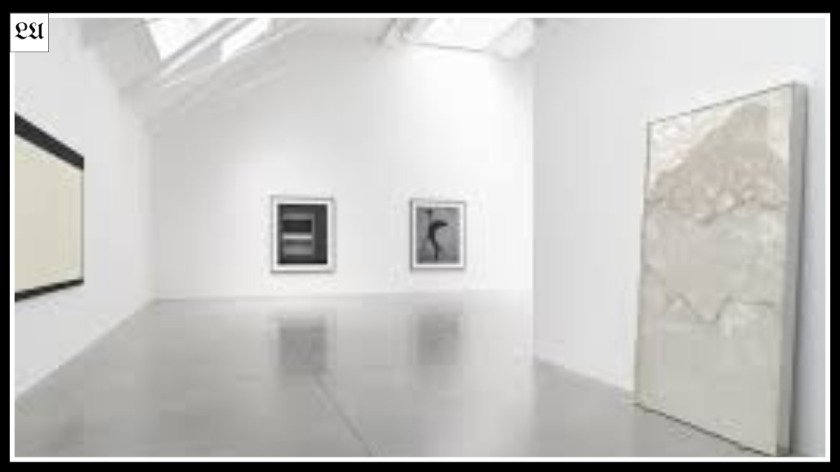
Lisson Gallery is one of the top contemporary art galleries. It was founded in 1967 in London and is well-known for its commitment to innovative artists and movements like Minimal and Conceptual Art. The gallery’s program now comprises internationally renowned artists operating in such fields as sculpture, painting, photography, installation, and mixed media. Exhibitions are held in London, as well as in other international offices of the gallery located in New York, Los Angeles, and Shanghai, making this gallery a place where art enthusiasts meet worldwide. The following guide will give you all the necessary information about the gallery.
Lisson Gallery London: Locations, Opening Times and Visitor Guide
Lisson Gallery London has two main exhibition spaces at 27 Bell Street, London NW1 5BY, and 67 Lisson Street, London NW1 5DA. Both are located in the Marylebone area and host temporary exhibitions. The two spaces allow the gallery to present different artists and projects at the same time. Visitors should always check the address of the exhibition they want to see before travelling, as the programme may differ between the two locations.
The Lisson Gallery opening times are generally Tuesday to Saturday from 11am to 6pm, with visits also available by appointment. Opening arrangements can change during exhibition installations, holidays and special events. Checking the latest information before travelling is therefore a sensible step. This is especially important if you are travelling from outside London or planning your day around a particular exhibition.
A visit can take around 30 to 60 minutes for someone who wants a quick introduction to the current show. Art students and researchers may want longer to study the artworks and read the exhibition information. If you plan to visit both spaces, allow extra time for travel between them. It is also useful to check the exhibition dates, exact address and visitor arrangements before leaving home. Spending time looking closely at the artworks will usually make the visit more rewarding.
Lisson Gallery London Exhibitions and Artworks
Lisson Gallery London exhibitions change throughout the year, making the programme different from that of a traditional museum. Instead of maintaining a large permanent collection, the gallery presents temporary exhibitions featuring individual artists, groups and different artistic themes. Visitors may encounter sculpture, painting, photography, installation, performance and mixed-media work. This changing programme makes the gallery particularly interesting for repeat visitors because a new exhibition can provide a completely different experience.
The Gallery artworks program includes many internationally recognized artists. Anish Kapoor is one of the best-known names connected with the gallery, while Tony Cragg, Richard Deacon and Richard Long have also played important roles in its history. Marina Abramović is known for her influential performance work, while Ai Weiwei explores cultural and social subjects through different media. Sean Scully, Hiroshi Sugimoto, John Akomfrah and Wael Shawky are among other artists associated with its wider programme.
Seeing contemporary artworks in person can provide a much better understanding of their physical qualities. A photograph may not show the true size, texture or relationship between an artwork and the gallery space. Visitors should look at the materials, colours, scale and arrangement before reading the exhibition information. This simple approach can make unfamiliar work easier to understand. Even when an artwork does not immediately appeal to you, spending a few minutes with it can reveal details that are difficult to notice online.
Lisson Gallery NYC and International Art Programme
Lisson Gallery NYC is an important part of the organisation’s international expansion. New York is one of the world’s leading centres for contemporary art, with major museums, galleries, collectors and artists. A presence in the city gives artists opportunities to reach new audiences and strengthens links between the British and American art worlds. The move also fits naturally with the organisation’s history because its early programme included important American Minimal and Conceptual artists.
The relationship between London and New York is especially interesting from an art-history perspective. The London gallery helped British audiences encounter American artists whose ideas were changing contemporary art. Its later presence in New York created a stronger connection between these two major art centres. Artists can now present their work across different cultural settings and reach audiences with different experiences of contemporary art. This international approach has become an important part of the organisation’s identity.
The wider international network also includes Los Angeles and Shanghai. Each city has its own museums, collectors, artists and cultural communities. This gives the gallery opportunities to present artists in different cultural contexts while maintaining an international programme. Visitors researching exhibitions should always check the city where a particular show is taking place. An exhibition found online may be in New York or another location rather than London, so confirming the venue is an important part of planning a visit.
Lisson Gallery Reviews: Pros, Cons and Visitor Experience
Lisson Gallery reviews can help visitors decide whether the gallery suits their interests. However, contemporary art is subjective, so different people can have very different reactions to the same exhibition. Someone who enjoys abstract sculpture may find a particular show fascinating, while another visitor may prefer traditional painting. Reviews can also become outdated because exhibitions change regularly. For this reason, it is better to read reviews alongside the current exhibition information and focus on the specific show you plan to visit.
One of the main benefits is the gallery’s strong reputation and history. Visitors can see work by important contemporary artists and explore different artistic practices in a focused environment. The programme can include sculpture, photography, painting and installation, giving visitors a broad view of contemporary creativity. The smaller scale can also make it easier to spend time with individual artworks. Students and researchers may find the experience particularly useful because they can examine materials, installation methods and artistic ideas at close range.
There are some disadvantages to consider. Some contemporary artworks can feel difficult for visitors who normally prefer traditional art, especially when a show focuses on abstract or conceptual ideas. The temporary programme can also be a drawback if an artist you want to see is not currently exhibiting. The two London locations require some planning because different exhibitions may appear at each venue. Despite these points, the gallery is a strong choice for people who enjoy modern artistic ideas and want a more focused experience than a very large museum.
Lisson Gallery Jobs and Careers in Contemporary Art
People searching for Lisson Gallery jobs may be interested in the many career paths available within the contemporary art industry. A major international gallery needs more than artists and curators. Its teams can work across exhibitions, sales, marketing, communications, operations, art fairs, finance and artist relations. The gallery’s own staff information shows a wide range of departments and roles across its international organisation.
Working in a contemporary gallery can provide valuable experience for people interested in the art market. Recent recruitment information for a Gallery Assistant role, for example, highlighted visitor services, administration, exhibitions and events. It also sought communication, organisation and contemporary-art knowledge.
Career Areas to Explore
- Gallery and visitor services: Welcoming visitors and supporting daily gallery activities.
- Exhibitions: Helping organise shows, installations and exhibition projects.
- Artists and exhibitions: Supporting artists, research and exhibition planning.
- Marketing and communications: Creating content and promoting exhibitions.
- Sales: Working with collectors and clients interested in artworks.
- Art fairs: Supporting presentations at international art fairs.
- Operations: Managing practical and organisational work.
- Finance: Supporting budgets, accounts and business activities.
Strong communication, organisation and attention to detail are useful across many gallery roles. Knowledge of contemporary art can also help, particularly for positions that involve artists, exhibitions or visitors. Digital skills, research ability and experience with professional software can provide an additional advantage. Recent recruitment information also highlighted communication, organisation, contemporary-art knowledge and IT skills as useful qualities.
People starting their careers can gain experience through museums, smaller galleries, cultural organisations, internships and university projects. Researching the gallery’s artists and exhibition programme before applying can also strengthen an application. Most importantly, candidates should match their skills to the specific position rather than treating every gallery job as the same type of role.
Is Lisson Gallery Worth Visiting?
For people interested in contemporary art, the gallery is worth considering. Its history, influential artists and changing exhibition programme make it an important cultural destination in London. Visitors can explore sculpture, painting, photography, installation and other forms of experimental art. The two London spaces also provide a focused experience compared with large museums. This can be especially useful for students, researchers and visitors who prefer to spend time studying individual artworks.
The gallery is best suited to people who enjoy modern ideas and different artistic approaches. Visitors who prefer Renaissance paintings, ancient objects or large permanent collections may find the National Gallery or another major museum more suitable. The temporary programme also means that the quality of your visit depends on what is showing at the time. Checking the exhibition title, date, location and opening hours before travelling can help you choose the right time to visit.
Overall, the gallery offers a valuable opportunity to explore contemporary art in a professional exhibition setting. You do not need a formal art qualification to enjoy it. Start by looking closely at the artwork, then consider its material, scale, colour and position before reading the exhibition information. This can help make challenging pieces easier to understand. For anyone exploring London’s contemporary art scene, the gallery provides a worthwhile experience and a chance to see work connected with an important part of modern art history.
Frequently Asked Questions
Who is the CEO of Lisson Gallery?
Alex Logsdail is the CEO, while Nicholas Logsdail founded the gallery in 1967.
Is Lisson Gallery free?
Visitors should check the current exhibition details, as admission arrangements can vary.
Where is Lisson Gallery London located?
Its London spaces are on Bell Street and Lisson Street in the NW1 area.
What is the most prestigious art gallery in the UK?
The National Gallery is among the UK’s most prestigious, while Tate is a leading institution for modern and contemporary art.
Conclusion
Lisson Gallery provides a great insight into contemporary art through a combination of a long history in London and an international programme of prominent artists and shows. The list of artists whose works are represented by Lisson Gallery includes Anish Kapoor and Tony Cragg as well as more recent figures such as Ai Weiwei and Marina Abramović. All major types of contemporary art are included in the programme of Lisson Gallery – sculpture, painting, installation, photography and experimental art. The galleries in London can be viewed as an alternative to large museums and are especially useful for art fans and students.